Unpaid, Unthanked, and Holding the Line: The Real Cost of Voluntary Moderation

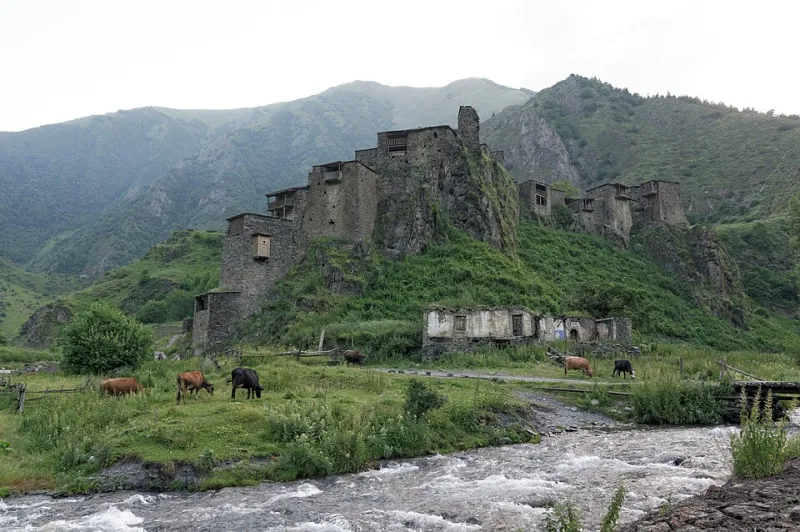
Photo: Dennis G. Jarvis, CC BY-SA 2.0, via Wikimedia Commons
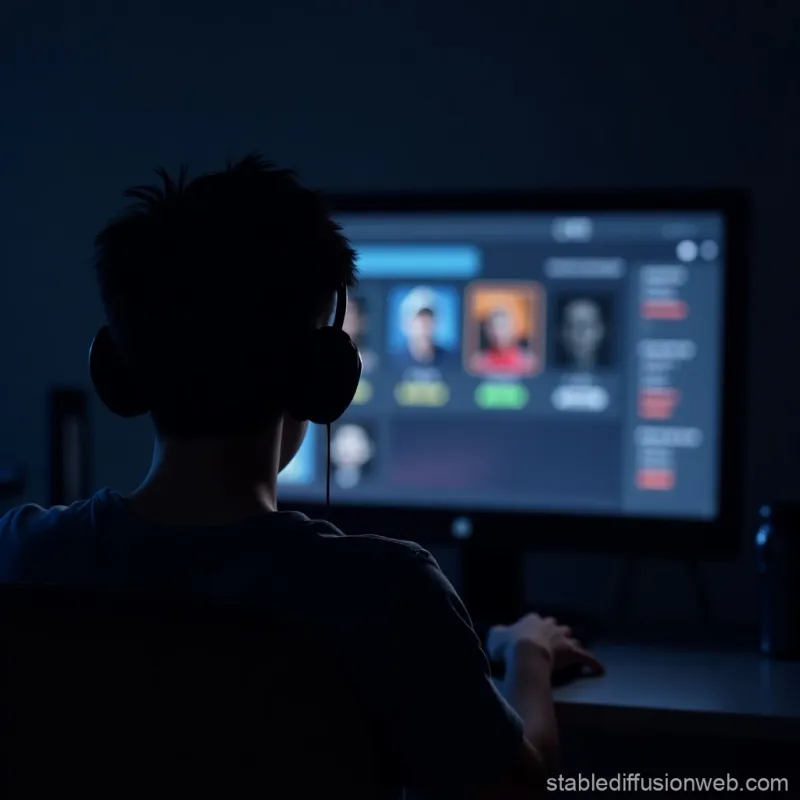
The Discord server has 40,000 members. It runs twenty-four hours a day. And at any given moment, the only thing standing between a functional community and a dumpster fire is a college student in Ohio who is, right now, reading racial slurs so that nobody else has to.
She doesn't get paid. She never has. And she's getting tired.
The Invisible Workforce
Every major gaming community — Discord servers, subreddits, forums, wiki staff, even in-game clan leadership — depends on volunteer moderation. These are the people who break up harassment campaigns, catch the scam bots at 3 a.m., de-escalate the argument about tier lists that somehow became a referendum on someone's entire life. When they do it well, nobody notices. That's the whole problem.
'You're basically a janitor, a referee, and a crisis counselor all at once,' one server admin for a 60,000-member community told us, asking to remain anonymous because 'the last mod who did an interview got doxxed.' 'And the thank-you rate is exactly zero percent.'
The scale is genuinely hard to fathom. A mid-sized gaming Discord can generate thousands of reportable messages a day. Volunteer teams usually number in single digits. They build their own tooling, write their own rules, run their own training — all unpaid, all on top of jobs and school.
The Burnout Pipeline
The pattern is well-documented by now, and it's grim. Moderators start enthusiastic. They take on more shifts. They absorb the worst content the internet produces — hate speech, threats, the occasional genuinely disturbing thing that sticks with you. Research into content moderation, including work from organizations like the Anti-Defamation League, has linked this kind of exposure to real psychological harm: anxiety, hypervigilance, PTSD-like symptoms.
Then they quit, usually abruptly, usually mid-drama, and the community acts surprised. 'People treat mod positions like they're a hobby,' another moderator we spoke with said. 'They're closer to an unpaid shift at a place that's on fire.'
And the threats aren't hypothetical. Moderators who enforce rules in large gaming communities — especially ones touching on politics, inclusivity, or competitive cheating — regularly face targeted harassment campaigns. Raid culture means one bad decision by a mod can bring thousands of angry users to their doorstep, often with their real identities attached.
Should the Wall-Keepers Get a Wage?
Here's where it gets uncomfortable. Discord, Reddit, and every major platform build their engagement numbers on communities that volunteer labor keeps alive. The platforms profit; the moderators absorb the trauma. Some servers have experimented with tips, Patreon funds, or paying mods from merch revenue. It helps, but it's a patch on a structural hole.
Critics argue that formalizing pay would change the nature of the work — that volunteer moderation is a community function, not a job, and monetizing it invites its own problems. That argument isn't crazy. But 'it's complicated' has a way of becoming 'so we'll do nothing,' and nothing is the current policy of nearly everyone.
There are modest, obvious steps: platforms could fund moderation tooling, offer mental health resources to volunteer teams, and build reporting systems that don't dump raw sewage directly into a human's eyeballs. Some of this exists. Most of it is inadequate.
Holding the Walls
The fortress metaphor writes itself here, so we'll write it: every gaming community is a keep, and moderators are the watch standing the night shift. They get blamed when the raiders get in and ignored when they don't. The walls hold because people choose to stand on them.
The college student in Ohio is still there, for now. She says she'll probably step down after this semester. Forty thousand people will notice the day she does — for about a week, when the spam gets through. Then someone else will take the shift, and the cycle will continue, unpaid and unthanked, exactly as designed.