Paying a Premium for the Past: The Booming Business Behind Retro Gaming's Price Surge

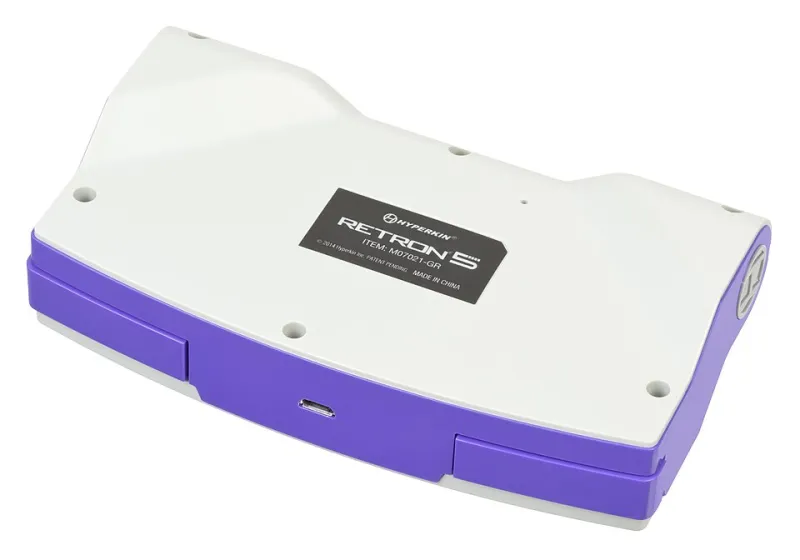
Photo: Ilstrtr75, CC BY-SA 4.0, via Wikimedia Commons
There was a time — not even that long ago — when buying an old Super Nintendo game meant haggling at a flea market or getting lucky at a Goodwill. You might score Chrono Trigger for five bucks if you were patient enough. Those days are gone. Dead and buried. Today, that same cartridge in decent condition will set you back anywhere from $80 to well over $200 depending on the day, the seller, and how badly someone else wants it.
Retro gaming has gone from a scrappy secondhand hobby to a surprisingly cutthroat collector's market. And whether you're a die-hard preservationist, a casual player chasing childhood vibes, or just someone who wants to play EarthBound on original hardware, you're being asked to pay a nostalgia tax that keeps climbing higher every year.
How Did We Get Here?
The price spike in retro games didn't happen overnight, but it accelerated dramatically around 2020. COVID lockdowns pushed millions of people back toward familiar comforts, and for a huge chunk of the US, that meant digging out old consoles or finally hunting down the games they never got as kids. Demand surged. Supply — fixed by definition, since nobody's pressing new SNES cartridges — stayed exactly where it was.
Basic economics did the rest. Prices on platforms like eBay and GameStop's retro section started climbing. Dedicated marketplaces like PriceCharting became essential tools just to know whether you were getting ripped off. And grading services like WATA Games entered the picture, introducing the idea of professionally authenticated, sealed retro games as investment-grade collectibles. Suddenly a sealed copy of Super Mario Bros. wasn't just a game — it was an asset class.
That last part is where things get genuinely weird. High-profile auction sales, some later scrutinized for potential market manipulation, pushed sealed game prices into the hundreds of thousands of dollars. Even if those extreme cases were outliers, they sent a signal to the broader market: retro games are valuable. And once that perception sets in, it's nearly impossible to reverse.
Scalpers, Speculators, and the Secondary Market Grind
If you've tried to buy a specific retro title recently and felt like you were fighting invisible competitors, you probably were. Scalpers and resellers have professionalized the retro market the same way they attacked GPU stock and concert tickets. Some operate at scale — buying out local thrift store inventory the moment it hits shelves, using automated alerts on marketplace listings, and flipping for margins that would make a Wall Street trader nod approvingly.
Small, independent game stores — the kind that built their business on fair trade-in values and reasonable resale prices — are getting squeezed from both ends. They can't acquire good inventory cheaply anymore because everyone knows what things are worth, and they can't always compete with the volume that large online resellers move. The mom-and-pop retro shop, once a staple of gaming culture, is quietly becoming an endangered species in a lot of US markets.
For regular players — people who just want to revisit a classic or introduce a kid to an old favorite — this creates a frustrating wall. The hobby that once felt accessible now feels like it requires either serious money or serious luck.
Corporate Nostalgia: Preservation or Profit?
Here's where it gets complicated. The gaming industry itself has noticed that people will pay for the past, and it has responded accordingly. Nintendo's classic mini consoles, Sony's PlayStation Classic, Sega's Genesis Mini — these officially licensed retro hardware releases were marketed as affordable ways to relive gaming history. And to be fair, some of them delivered genuine value, especially Nintendo's offerings, which came loaded with quality titles and sold at reasonable price points.
But the corporate nostalgia machine has a messier side. Digital re-releases on modern platforms often come with inconsistent library access, titles that disappear when licensing deals expire, and subscription models that let you rent access to classic games rather than own them. Nintendo Switch Online's retro library is a solid example — great in theory, but limited in scope and entirely dependent on an active subscription. The moment you stop paying, your access to those classics evaporates.
Then there's the question of what doesn't get preserved. Licensing complications, expired music rights, and corporate indifference mean that huge portions of gaming history exist in legal gray areas or aren't commercially available at all. That gap is what drives dedicated collectors to original hardware in the first place — and it's also what fuels the emulation and ROM community, a legally murky but culturally significant part of how gaming history actually survives.
Who's Actually Winning?
Let's be direct about it. The people profiting most from the retro gaming boom aren't the original developers who poured their creativity into those cartridges. Most of them see nothing from secondhand sales. It's not the small game stores struggling to compete with online resellers. And it's certainly not the casual player who just wanted to replay Donkey Kong Country without spending $60 on a cartridge.
The winners are high-volume online resellers, grading and authentication services charging steep fees to certify collectibles, and large corporations that retain IP rights and can re-sell access to the same games repeatedly across new platforms and subscription services. The nostalgia is real. The profit motive attached to it is equally real, and it flows upward.
That's not to say everyone in the retro space is operating cynically. Plenty of collectors genuinely love the hobby, care about preservation, and contribute to communities that document gaming history in ways corporations never would. The retro gaming scene has real cultural value. But it exists alongside a market structure that increasingly prices out the people who just want to play.
Is There a Way Through the Wall?
For players feeling locked out by rising prices, there are still options — though none of them are perfect. Emulation remains the most practical route for accessing a wide range of classic titles without paying collector premiums, even if it occupies legally uncertain territory. Devices like the MiSTer FPGA or budget-friendly handhelds preloaded with emulators have made that path more accessible than ever.
For those committed to original hardware, patience and local hunting still occasionally pay off. Estate sales, library sales, and smaller regional flea markets that haven't fully caught up to online pricing can still yield decent finds. It requires more effort than it used to, but the floor-price deals aren't entirely gone.
And for the broader industry? The most honest form of preservation would be making classic games permanently, affordably purchasable rather than locked behind rotating subscription libraries or inflated collector markets. A few publishers have moved in that direction. Most haven't.
The retro gaming market isn't going to cool down on its own. Nostalgia is a renewable resource, and as long as there's money in mining it, someone will be there with a pickaxe. The question for players is whether the memories are worth the price being charged for them — and whether there's a smarter way to get back to those games without paying a premium for the privilege.