Your Keep Is a Lie: What Strategy Games Still Get Wrong About Real Castle Defense
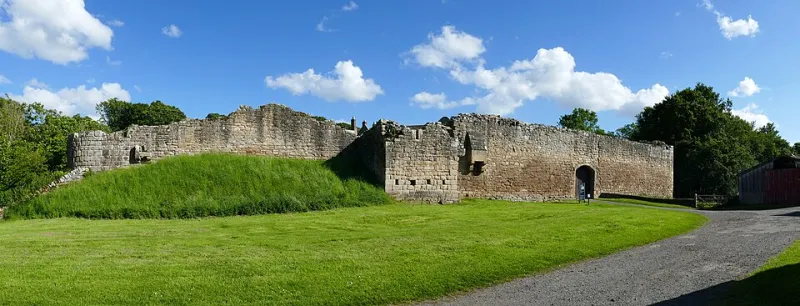
Photo: Worldfootage, CC BY-SA 4.0, via Wikimedia Commons
Every strategy gamer knows the fantasy: enemy waves crash against your walls while your archers rain death from the battlements, and your keep stands unbroken at the end of it all. It's a great fantasy. It's also, according to the people who actually study medieval warfare, mostly wrong.
That doesn't mean siege games are bad — far from it. But it's worth knowing where the genre bends history, because understanding the real thing can actually make you better at the games.
The Big Myth: Walls Win Wars
Here's the uncomfortable truth about medieval fortification: castles rarely fell to direct assault. Attackers overwhelmingly preferred to starve defenders out, since storming fortified walls was staggeringly expensive in lives. A castle's most important defensive feature wasn't its height — it was how long it could hold food and water.
Most strategy games flip this entirely. Walls are the star, assaults are the drama, and hunger is a footnote. When's the last time a siege game made you count grain stores? A handful of titles model supply, but almost none make it the central tension it historically was.
What the Genre Gets Right
To be fair, modern games have gotten sharper. Concentric defensive layers — the whole point of designs like Edward I's Welsh castles — show up in titles that let you build overlapping kill zones. Elevation matters in games with proper height mechanics. And the importance of flanking fire, where defenders could shoot attackers from multiple angles at once, is finally well represented.
The Five Most Historically Accurate Castle Defense Mechanics in Modern Games
-
Concentric kill zones — Games that reward layered walls and gatehouse chokepoints mirror real castle design, where attackers were funneled into spaces with no cover from multiple directions.
-
Siege equipment as a slow, expensive investment — The titles that make trebuchets and siege towers take real time and resources to build capture why commanders preferred to wait attackers out.
-
Morale and attrition systems — A few strategy games model defender morale under bombardment, which reflects the reality that most garrisons surrendered long before the walls broke.
-
Water and supply dependencies — The rarest mechanic of all: games where a well inside the walls matters. If your title tracks provisions, it's doing history a favor.
-
Sapping and counter-tunneling — Underground warfare decided more sieges than ladders did, and the games that let engineers undermine walls — and defenders dig counter-mines — capture a genuinely overlooked chapter of medieval combat.
What Games Get Gloriously Wrong
Ladders are the classic offender. In games, scaling walls is a viable tactic; in reality, it was nearly suicidal and usually a last resort. Single-player wave assaults are another invention — real sieges were long, tense, and often ended in negotiation, not a final heroic stand. And the romantic image of the lone archer holding the wall? Historical defenders relied on massed volleys and, more often than not, hoped the attackers would just go home.
Why This Matters at Your Keyboard
Knowing the history changes how you play. If your game models supply, defend the granary like it's the keep itself — because historically, it was. If morale exists, pressure it. And if the game rewards layered defenses over a single tall wall, the designers have done their homework.
The best fortress games aren't the ones with the biggest walls. They're the ones that understand a castle was never just stone. It was a system — of people, food, time, and will — and the side that managed that system best usually went home the winner.