Why Can't the Industry Stop Remaking the Same Games — And Should We Even Want It To?
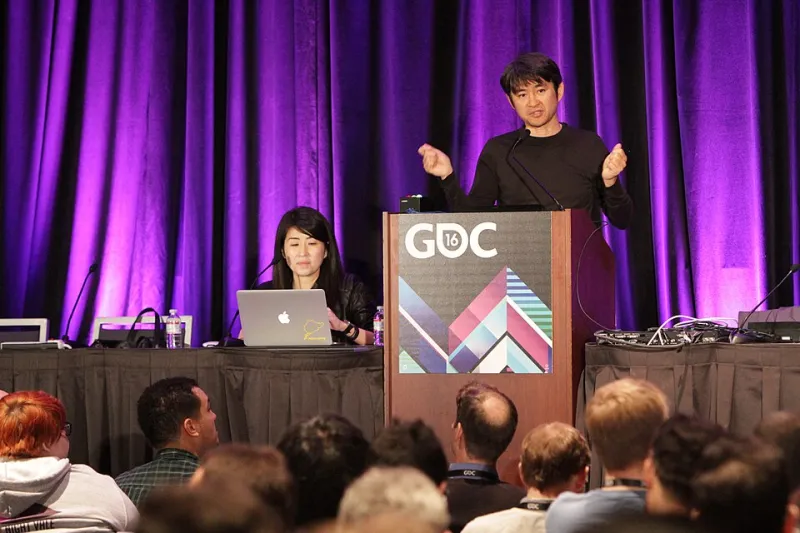
Photo: Official GDC, CC BY 2.0, via Wikimedia Commons
Somewhere around 2020, it started to feel like the gaming industry collectively decided that the past was more interesting than the future. Final Fantasy VII Remake dropped and broke the internet. Demon's Souls came back prettier than ever on PS5. Crash Bandicoot got a nostalgia-driven comeback that nobody asked for but everyone bought. And now, years later, we've got a genuinely stunning Silent Hill 2 remake and a Dead Space rebuild that critics and fans largely agreed was better than it had any right to be.
So what's actually going on here? Is this a creative drought? A calculated cash grab? Or is there something more nuanced happening in how the industry relates to its own history?
Sit down. We're going deep into the vault on this one.
The Business Case Is Obvious — Too Obvious to Ignore
Let's get the cynical take out of the way first, because it's not wrong. Publishers love remakes for the same reason Hollywood loves sequels and reboot franchises: the IP already has a built-in audience. Marketing a new game to a cold audience is expensive and risky. Marketing a remake of a beloved classic to people who already have an emotional connection to it? That's a much easier sell.
The math is straightforward. A mid-tier original IP launch is a gamble. A high-quality remake of a game that sold millions of copies in the 90s or early 2000s has a floor. Even if the remake underperforms, it rarely bombs catastrophically. Publishers can project revenue with much more confidence.
Capcom figured this out early. Their Resident Evil remakes — starting with the 2019 RE2 rebuild — weren't just commercial successes. They were critical darlings that brought lapsed fans back into the franchise and introduced the series to an entirely new generation of players. That playbook has been copied aggressively ever since.
But here's where it gets interesting: financial motivation alone doesn't explain why some remakes land and others crash.
The Ones That Actually Worked — And Why
Dead Space (2023) is probably the cleanest case study in how to do a remake right. EA Motive didn't just slap a fresh coat of paint on the original. They rebuilt the game from the ground up, kept the core DNA intact, added mechanical improvements that felt natural rather than intrusive, and — crucially — listened to what the community actually wanted. The result was a game that felt both nostalgic and modern, honoring the source material without being held hostage by it.
Silent Hill 2 (2024) is an even more fascinating example because the stakes were so much higher. The original isn't just a beloved game — it's widely considered one of the greatest horror games ever made, with a fanbase that treats it with almost religious reverence. Bloober Team's remake was met with deep skepticism before launch. And then it came out, and most people — not all, but most — agreed it was genuinely excellent. The studio understood that the feeling of Silent Hill 2 mattered more than recreating it shot-for-shot.
Final Fantasy VII Remake took the boldest swing of all. Square Enix didn't just remake the game — they reimagined it, expanded it, and wove in new narrative threads that actively play with the concept of nostalgia itself. The game is, in part, about the tension between honoring something beloved and letting it evolve. That's either incredibly clever or insufferably pretentious depending on who you ask, but it's undeniably ambitious.
What all three of these have in common: the developers clearly played the originals, understood why people loved them, and made intentional choices about what to preserve versus what to update.
The Ones That Didn't — And Why
For every Dead Space, there's a Babylon's Fall. For every Silent Hill 2 remake, there's a Saints Row reboot that misread its own audience so badly it became a cautionary tale about brand identity.
The remakes and reboots that fail tend to share a common flaw: they change the wrong things. They update the visuals while stripping out the mechanical depth. Or they modernize the tone so aggressively that the game no longer resembles the thing people loved. Or — and this is the most common failure mode — they were clearly greenlit by a committee that saw the IP's sales history but never actually understood why people connected with it.
The 2013 DmC: Devil May Cry reboot is a textbook example. It wasn't a bad game by most objective measures. But it fundamentally misunderstood what the Devil May Cry fanbase actually valued, and the backlash was fierce enough that Capcom eventually walked it back entirely. Fans aren't just buying a game — they're buying a relationship with something they love. Break that relationship and they'll let you know about it.
What Modern Audiences Actually Want (It's Not What Marketers Think)
Here's the thing that gets lost in the remake discourse: players aren't a monolith. Some people want a pixel-perfect recreation of the original experience, updated only to run on modern hardware. Others want the developers to take swings, expand the world, and make something that feels genuinely new. And a third group doesn't care about the original at all — they just want a good game.
The remakes that succeed tend to thread this needle by being transparent about their intentions. When players know going in that Final Fantasy VII Remake is an expansion and reimagining rather than a straight recreation, they can calibrate their expectations accordingly. When a remake is marketed as faithful but delivers something wildly different, that's when the discourse gets ugly.
There's also a generational element worth acknowledging. A lot of the games currently getting the remake treatment — Silent Hill 2, Dead Space, Resident Evil 4 — were formative experiences for millennials who are now in their 30s with disposable income. Publishers know this. The nostalgia machine is calibrated precisely for that demographic.
But younger players — Gen Z and beyond — are discovering these properties for the first time through the remakes. For them, the Dead Space remake is Dead Space. That's not a bad thing. It's actually one of the more compelling arguments for why thoughtful remakes have genuine cultural value beyond pure profit motive.
The Bigger Question Nobody Wants to Ask
All of this leads somewhere uncomfortable: if remakes are this commercially reliable, what does that mean for original IP development?
The honest answer is that mid-budget original games are genuinely struggling to get greenlit at major publishers. The risk calculus has shifted dramatically. And while the indie scene is thriving with original ideas, the AAA space is increasingly bifurcated between massive franchise sequels and safe legacy IP revivals.
That's worth paying attention to. Not because remakes are bad — clearly, they're not — but because a healthy industry needs both. The classics being remade today were original ideas once. If we stop taking those swings, the well eventually runs dry.
At VG Fort, we're not here to tell you to stop loving remakes. Some of the best gaming experiences of the last five years have been revisits to beloved classics. But we are asking you to stay curious about what's new, too. The next Silent Hill 2 is out there somewhere — it just hasn't been made yet.